On 25 September 2024, the British magazine Time Out published its annual list of the coolest neighbourhoods on the planet. At the top, ahead of Casablanca, Bali and Seoul: a Marseille neighbourhood that most locals call by another name. Notre-Dame-du-Mont is Cours Julien and La Plaine.
Number 1
out of 38 neighbourhoods
No. 1worldwide in 2024
38neighbourhoods ranked
+11places up on 2023
Every year, Time Out asks its editorial teams around the world to pick the liveliest neighbourhood in their city. The nominations are then compared on a few simple criteria: cultural life, places to go out, bars and restaurants, and above all the atmosphere, that local character you can’t find anywhere else.
In 2024, Notre-Dame-du-Mont came first. Behind it: Mers Sultan in Casablanca, Pererenan in Bali, Seongsu-dong in Seoul. The neighbourhood was already in the previous edition: it climbed eleven places in a year.
To explain its choice, the magazine described a former artists’ quarter, colourful cul-de-sacs, graffiti-covered alleys, plane-tree-lined streets and winding staircases. And a rebellious spirit the neighbourhood has never lost. The news went round the world in a few days: CNN, Paris Match, the Spanish editions of Time Out, the Australian press.
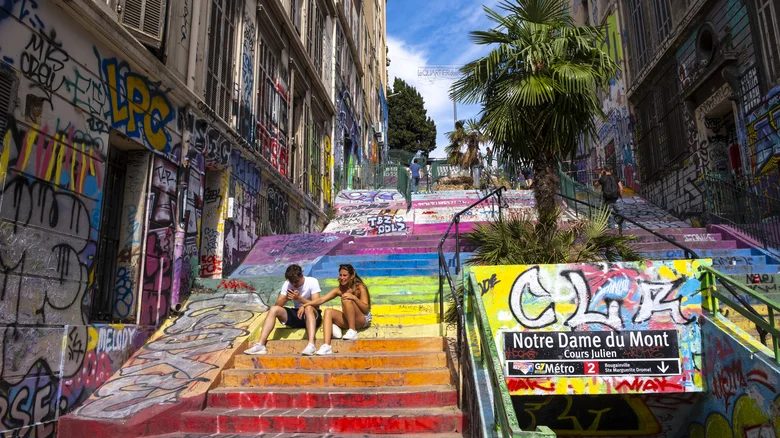
The Cours Julien steps · Photo Islands.com
One neighbourhood,
three names
If you look up “Notre-Dame-du-Mont” on a map, you’ll find a church and a metro station. Yet it is the official name of the neighbourhood, one of the administrative quarters of Marseille’s 6th arrondissement.
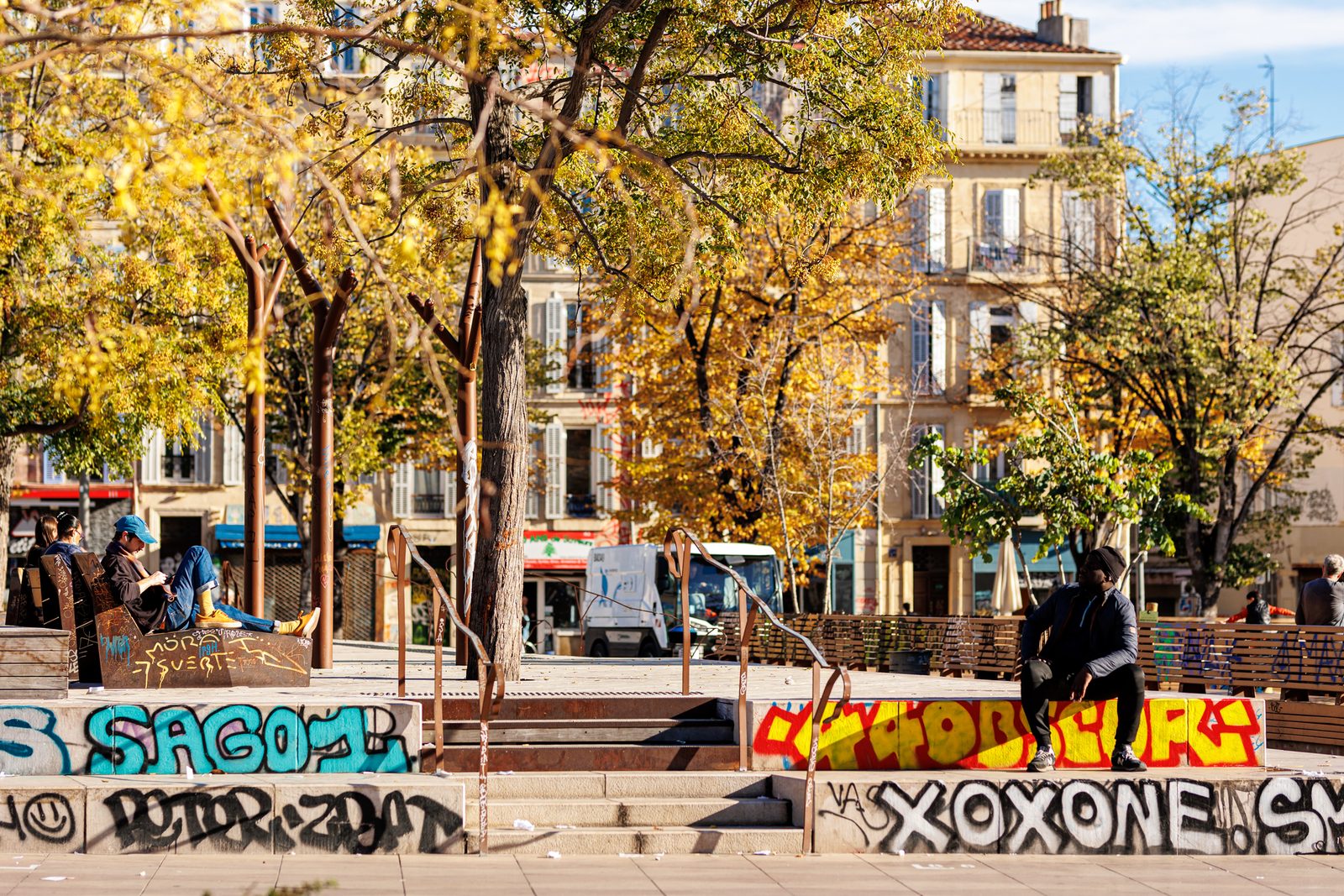
On the ground, hardly anyone calls it that. People say le Cours Ju, for Cours Julien, the big pedestrian esplanade with its fountain, pools and terraces. And they say La Plaine for Place Jean-Jaurès, a few streets up, with its market and bars. The metro station has settled the matter: it is called Notre-Dame-du-Mont – Cours Julien.
This site uses all three names. They refer to the same triangle of streets, between the Canebière, Rue de Rome and the slopes of Le Camas, whose story is told on the neighbourhood page.
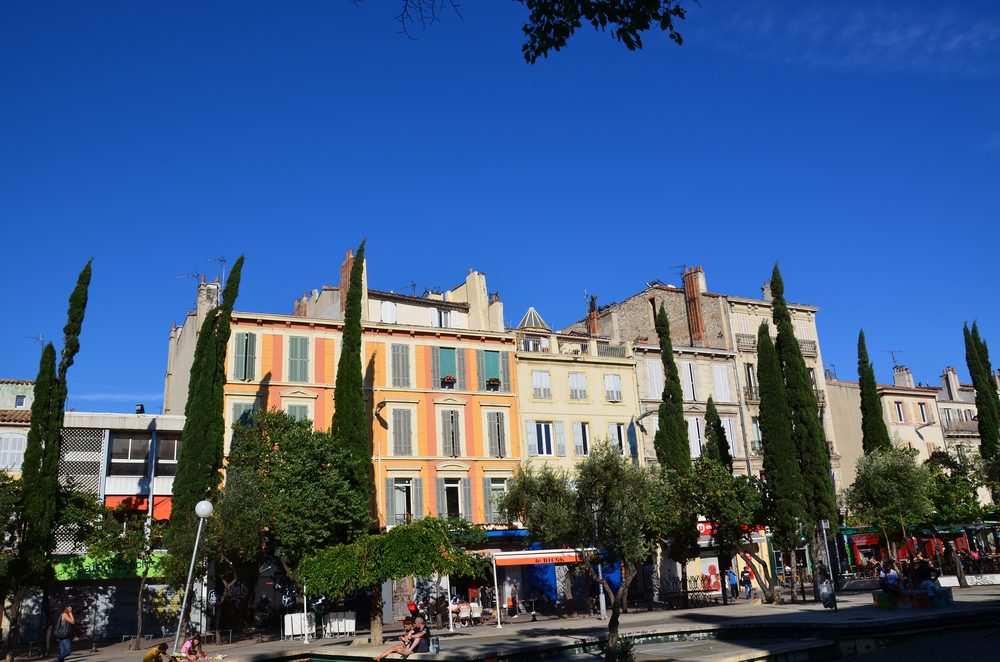
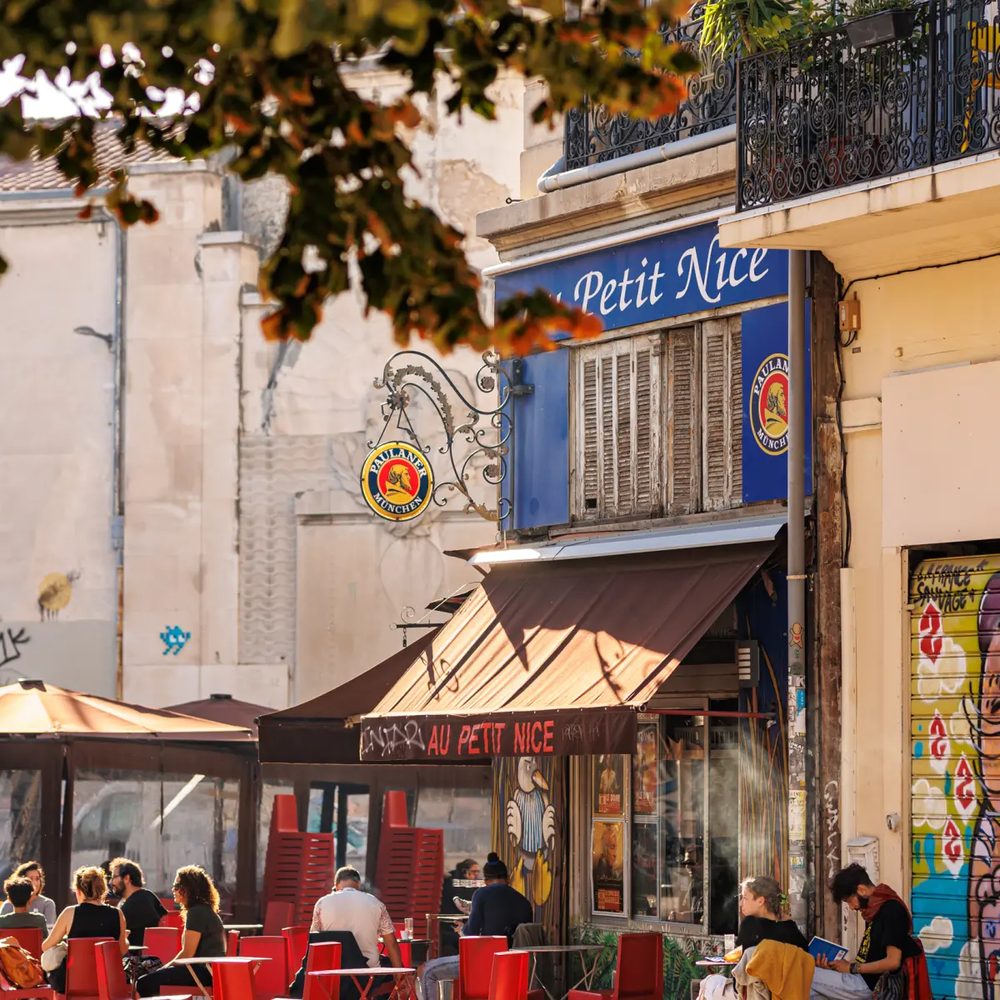
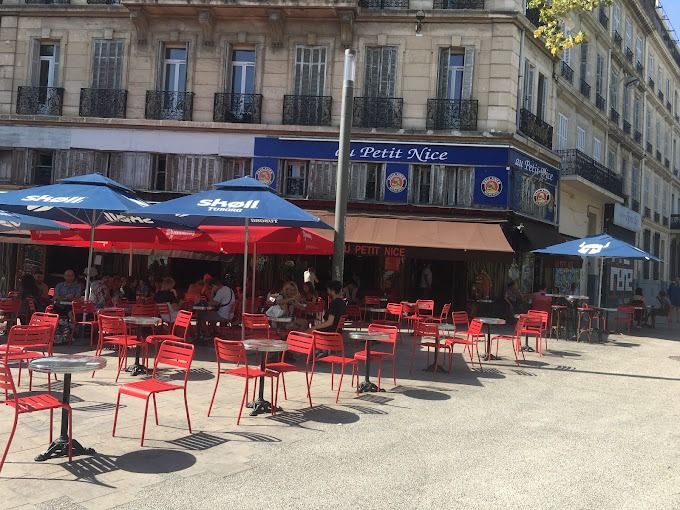
Cours Julien · Au Petit Nice, on La Plaine
What makes it
cool
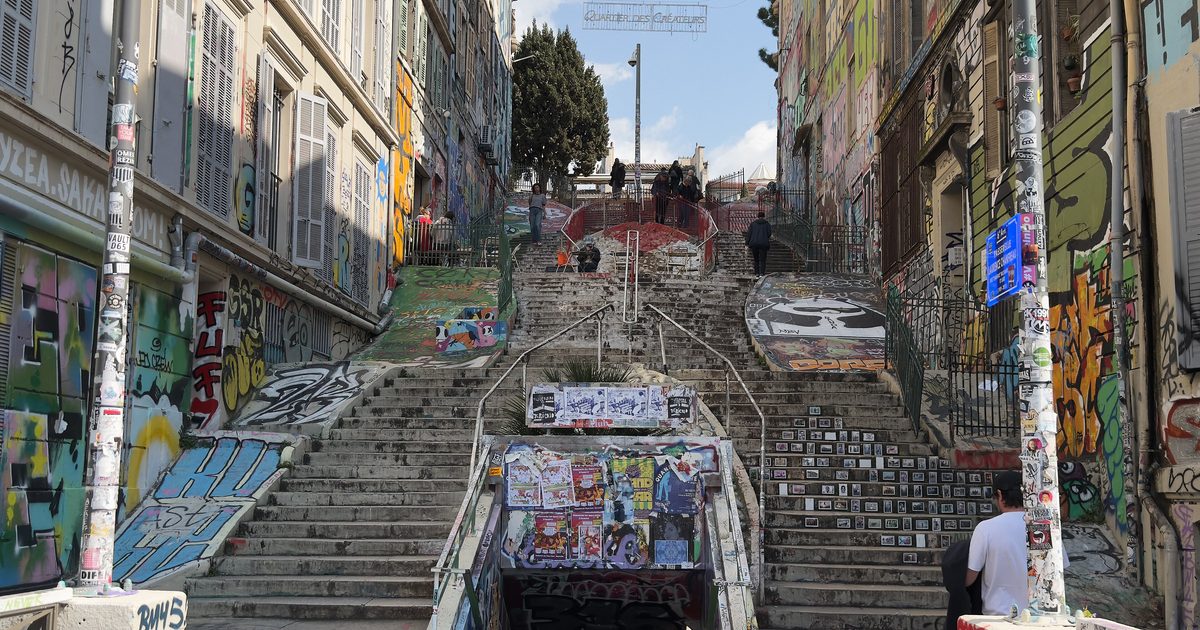
First, the walls. Since the 1980s, Cours Julien has been one of France’s street art hotspots. Murals, tags, paste-ups, mosaics: the works pile up, fade and come back. The great staircase, Rue Pastoret and Rue des Trois-Rois change from one month to the next. We take you to see them on our street art walk.
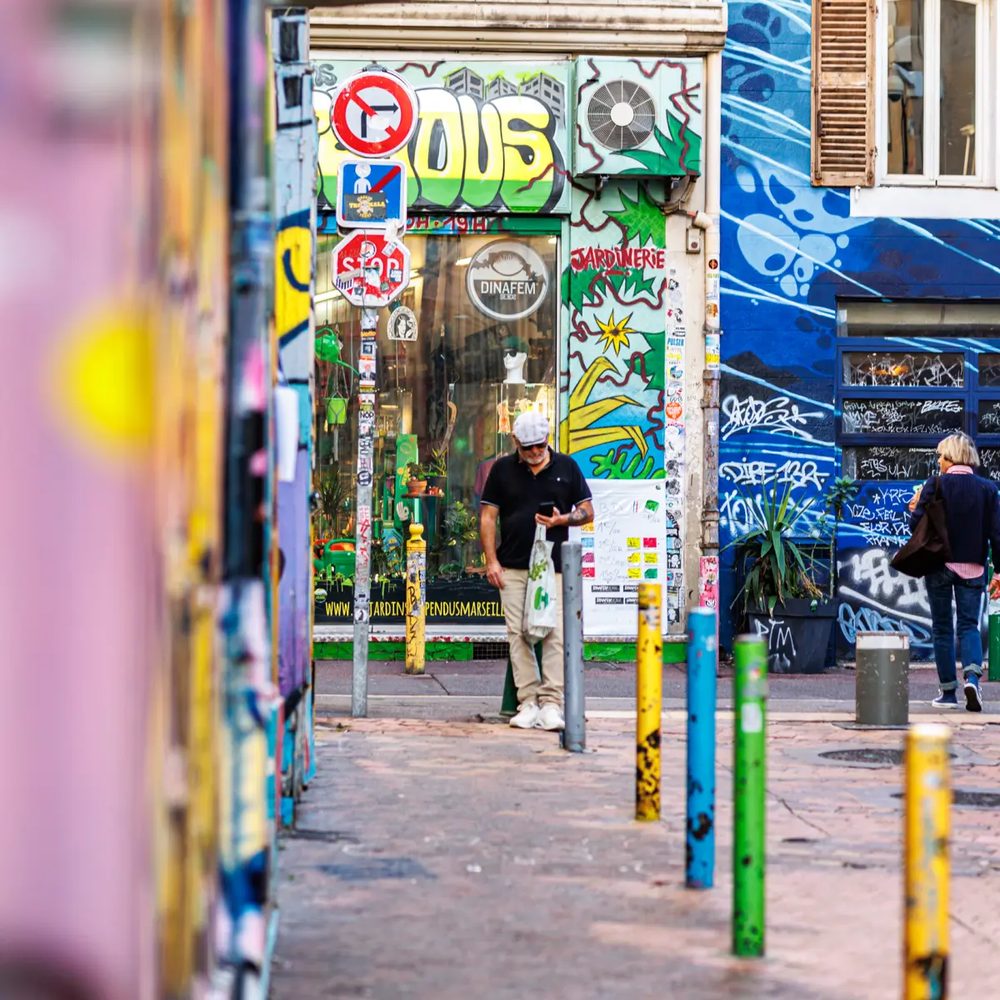
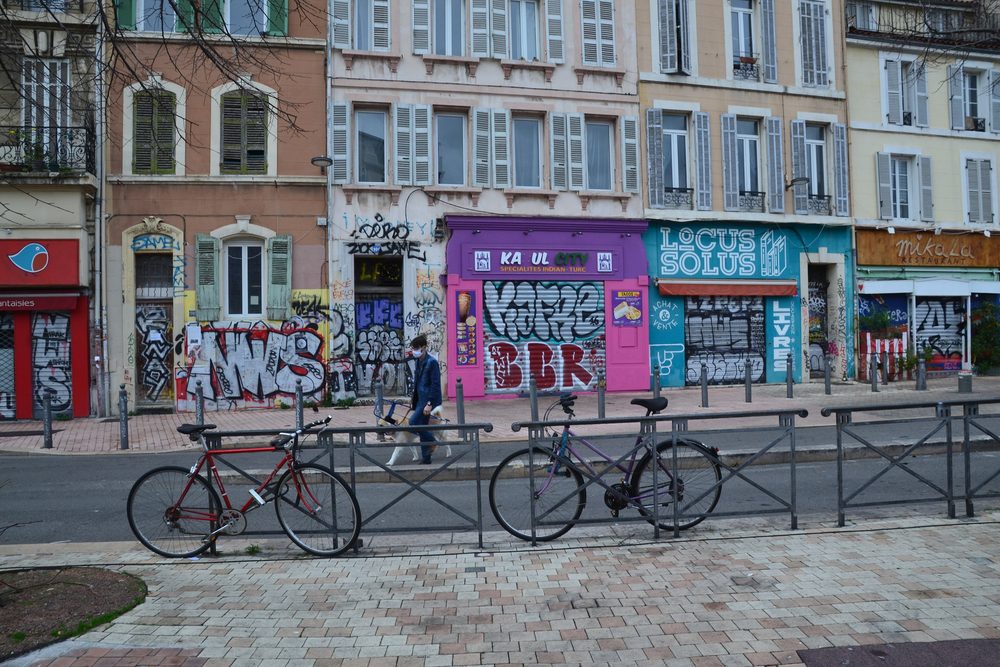
Marseille Tourisme · Jeanne Menjoulet, CC BY 2.0
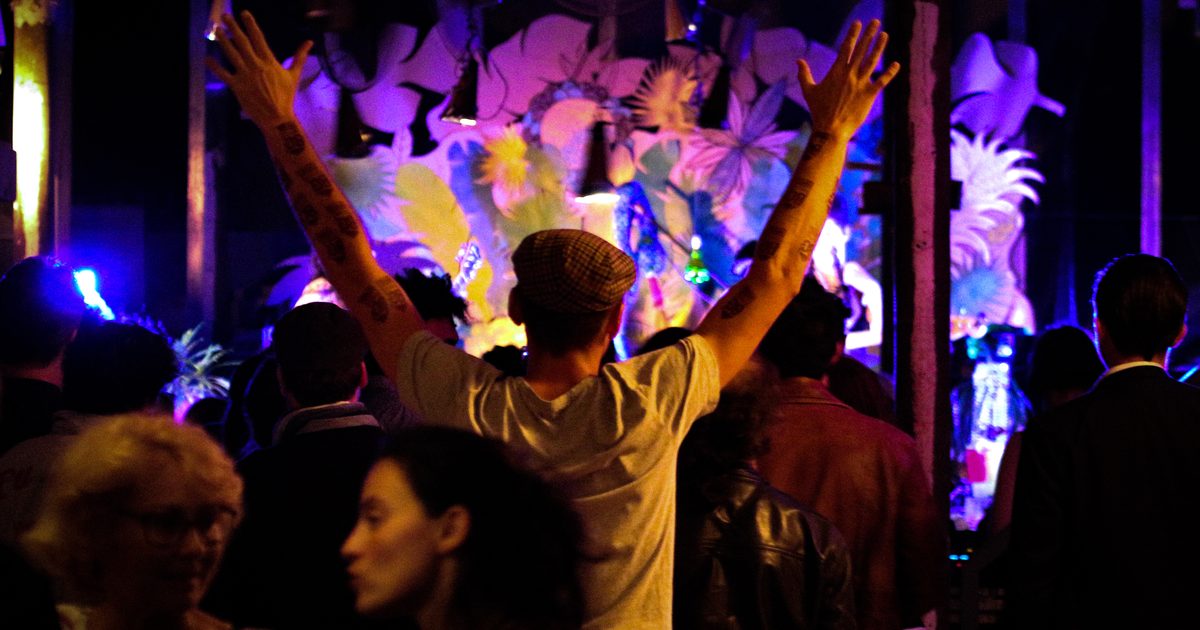
Then, the nightlife. The neighbourhood packs in a rare density of bars, terraces and music venues. The Espace Julien has hosted international tours since 1984. Around it, small venues such as L’Intermédiaire, Le Molotov or La Maison hantée put on punk, jazz and electro almost every night. At weekends, drag shows, DJ sets and free gigs spill out onto the squares.


Drag night · Gig · Photos Time Out Marseille
Above all, the mix. That is what Time Out noticed most: punks and families who have lived there for generations, students, artists, shopkeepers from all around the Mediterranean and, more recently, Parisians. You drink your coffee at the counter next to people you wouldn’t meet anywhere else. The shops follow the same logic: record shops, bookshops, vintage stores, community grocers, Lebanese, Argentinian or Palestinian restaurants.
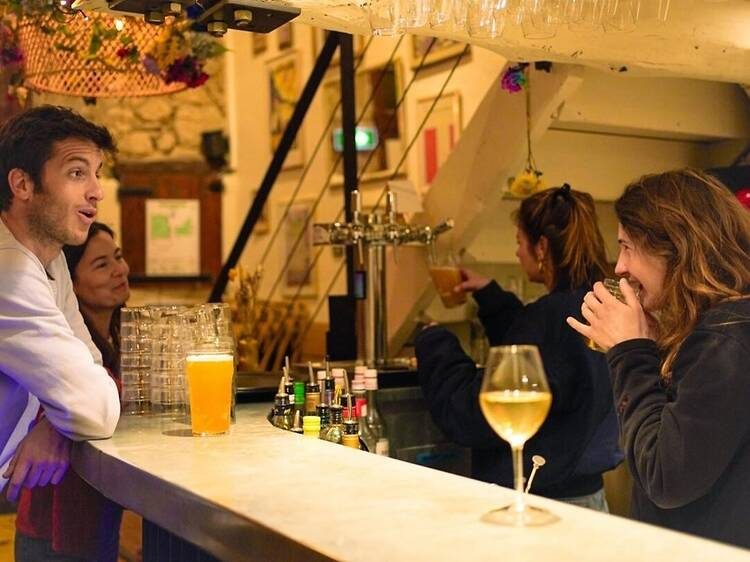
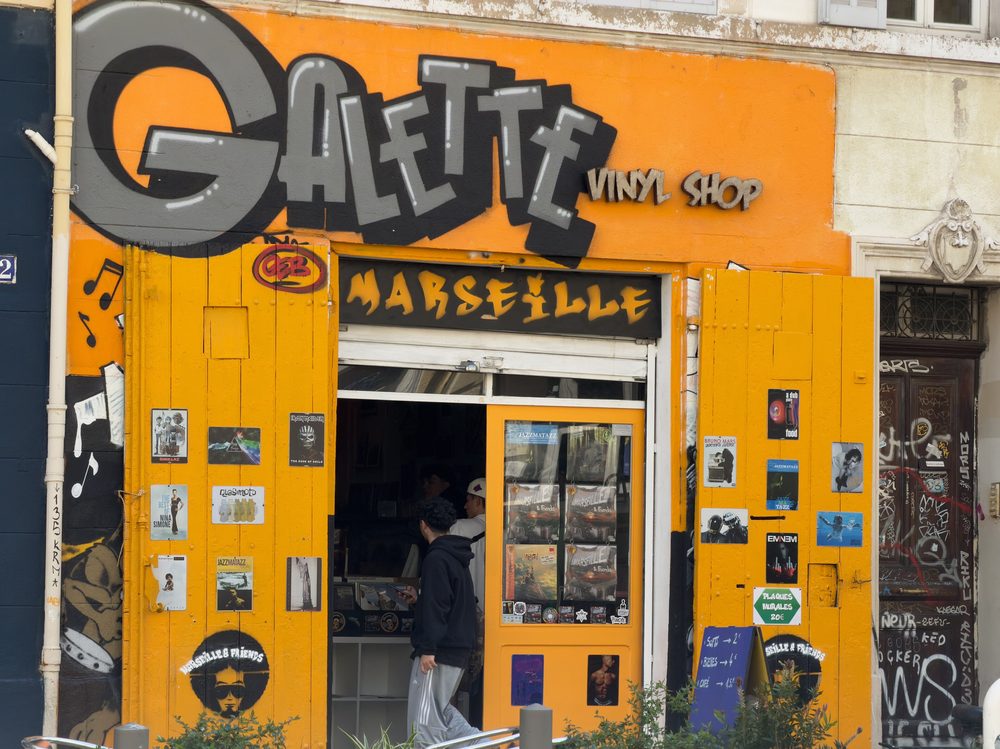
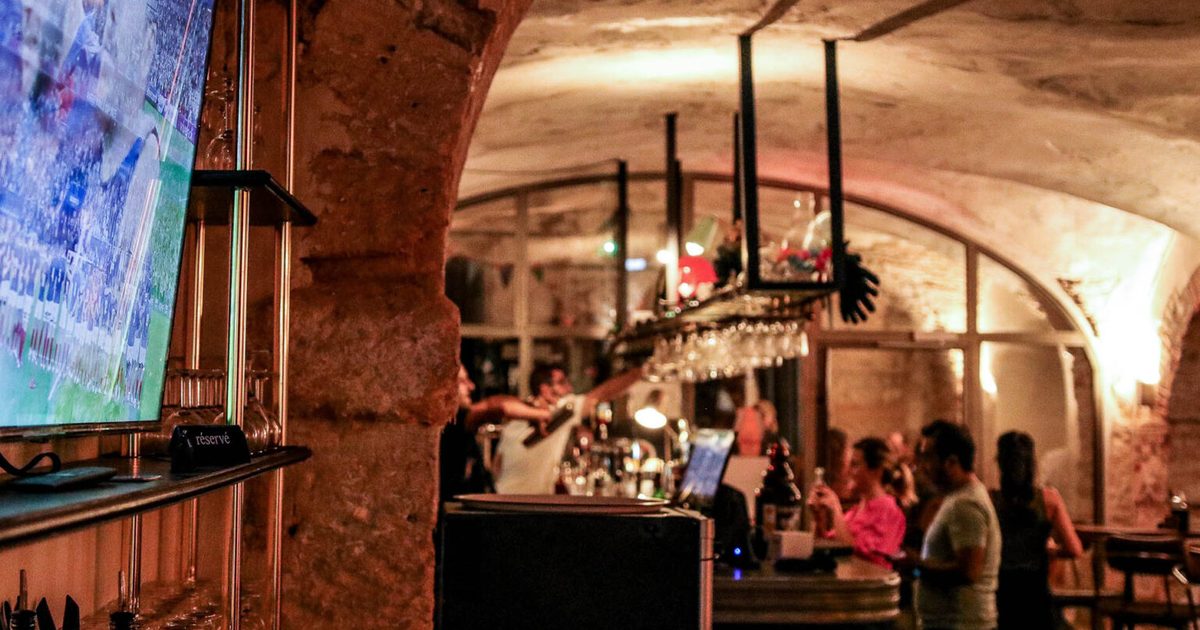
At the bar · Photo Time Out Marseille · Galette record shop · Mike is Michi, CC BY-SA 4.0
A neighbourhood like no other, because it has never chosen between the people who live there.
The Time Out effect,
and what it costs
A title like that doesn’t leave a neighbourhood indifferent. The first to talk about it were the residents themselves, half proud, half ironic: here, “the coolest in the world” is often said with a wry smile. Then came the visitors, more and more of them climbing the Cours Julien staircase phone in hand, and the travel guides that added the neighbourhood to their must-sees.
Recognition has its downside too. The neighbourhood has been changing for years, and the renovation of La Plaine, between 2018 and 2021, became the symbol of it. Rents are rising, local shops are giving way to pricier places, and some residents worry about losing exactly what made the place special: affordable prices, working-class ways of life, the chance to live there without being rich.
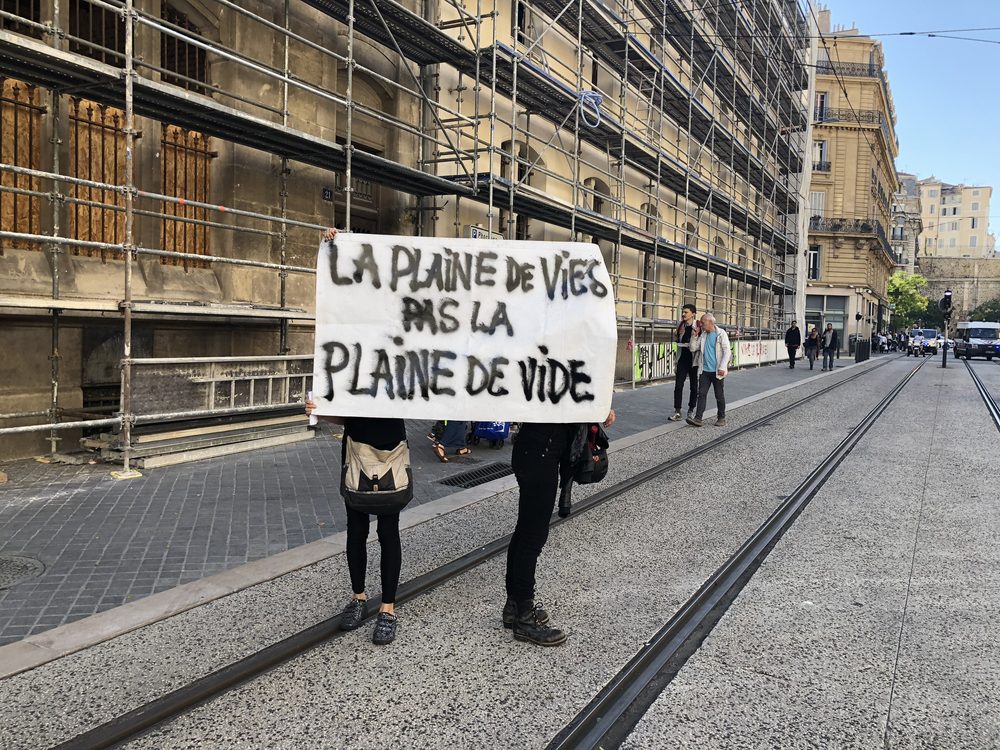
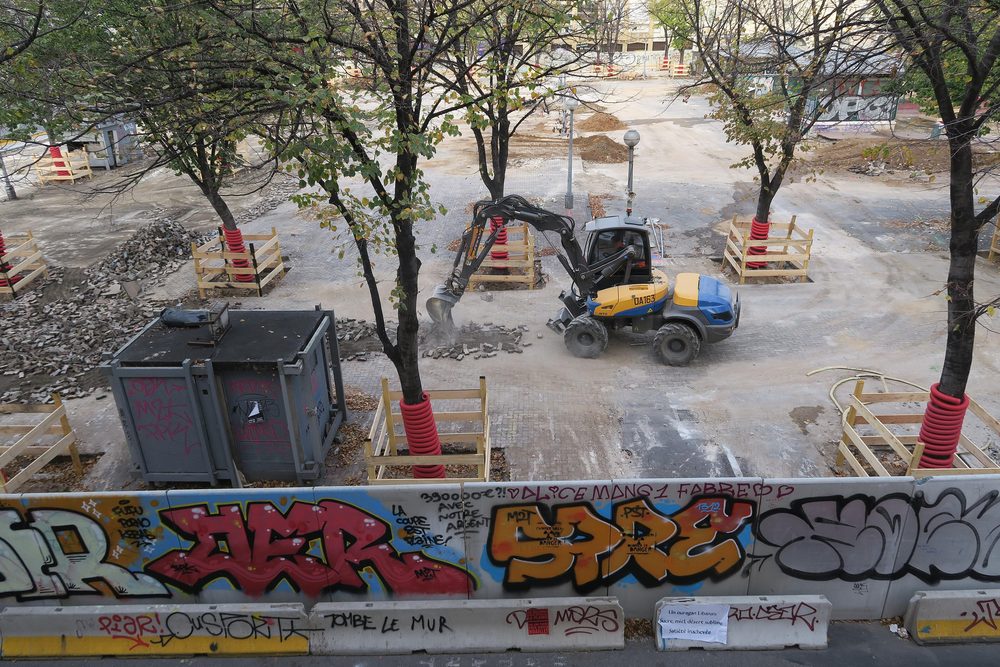
Protest for La Plaine, 2018 · Nattes à chat, CC BY-SA 4.0 · The building site · LaloMassalia, CC0
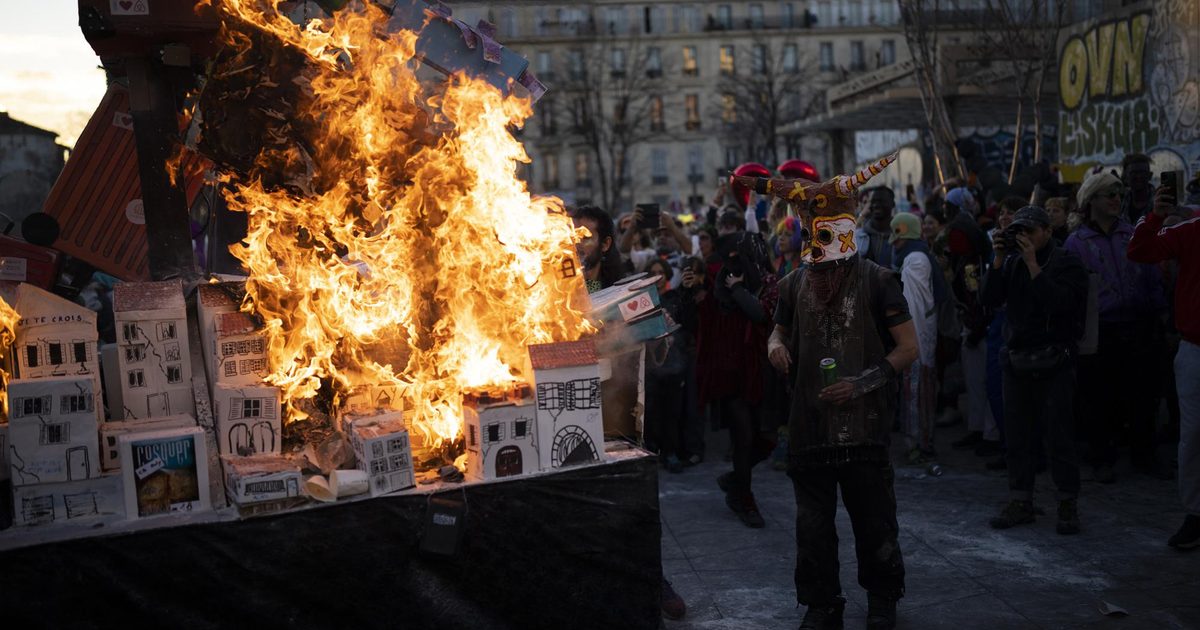
Yet the neighbourhood can still say no. In October 2026, the Miss Cagole contest at Le Traquenard went ahead on the evening of a day of protests, which its organisers claimed as a political act. Every spring, the La Plaine carnival still burns its Caramantran, the effigy that carries the ills of the year. These events are covered in The neighbourhood all year round.
Being cool here isn’t a trend. It is a way of holding together. Visiting the neighbourhood also means respecting it: spend your money with independent shops, keep the decibels for the music venues, and remember that the people who live here are not a backdrop.
Visiting
Notre-Dame-du-Mont
You can walk around the neighbourhood in half a day, but it really comes alive in the evening. Arrive in the late afternoon, take your time with the walls and the shops, then stay for an apéro and a gig.
Metro line 2 stops at the foot of the neighbourhood, at Notre-Dame-du-Mont – Cours Julien station. Tram, bus, stairs and places to stay: it’s all on our Getting to the Cours Ju page.
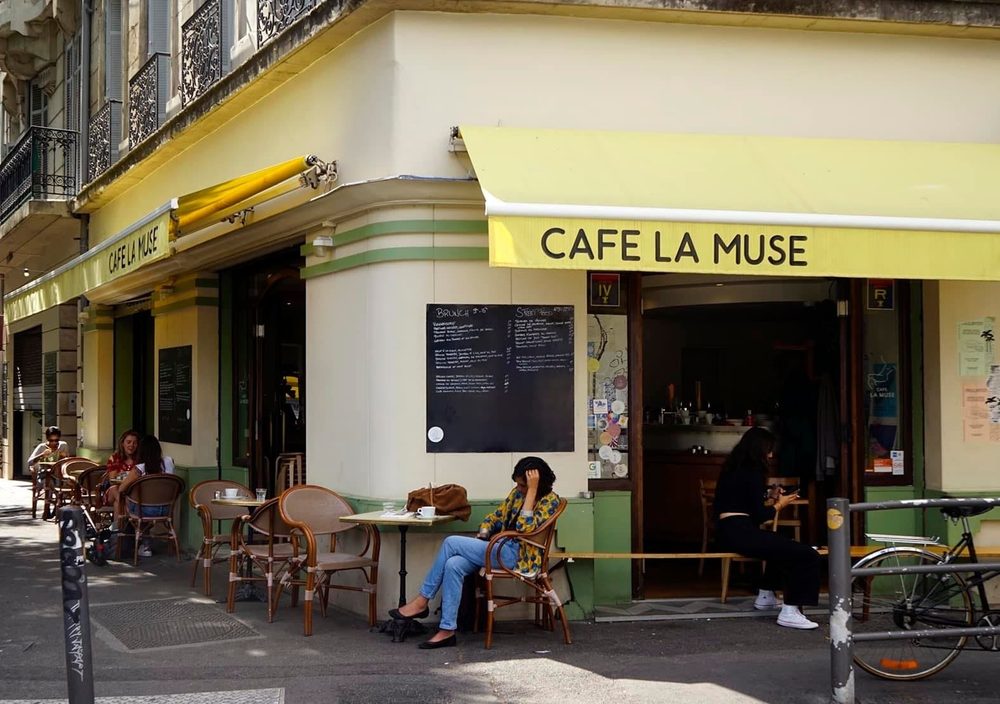
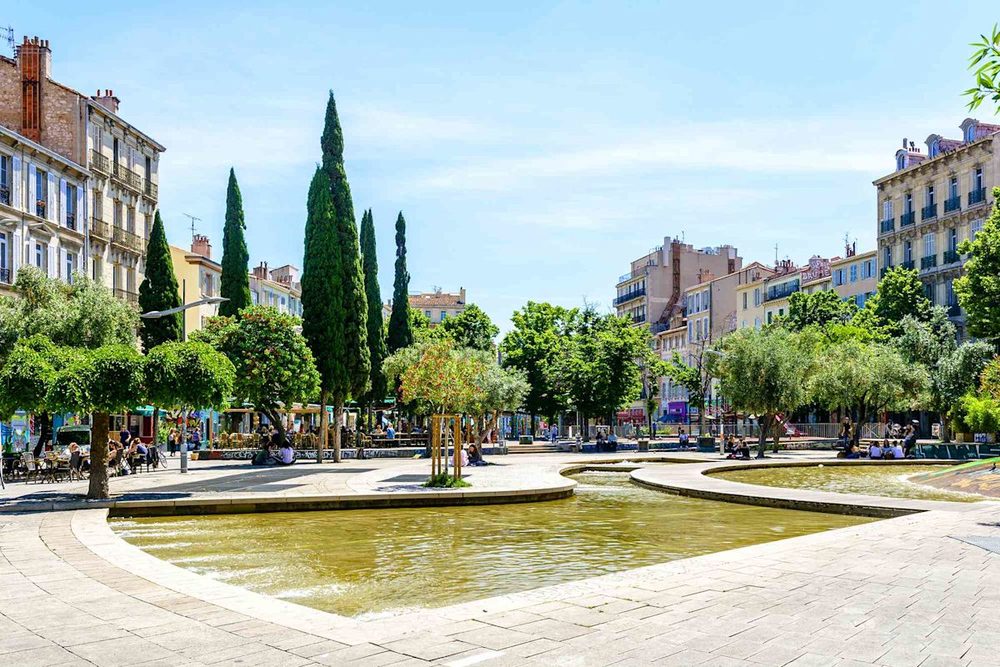
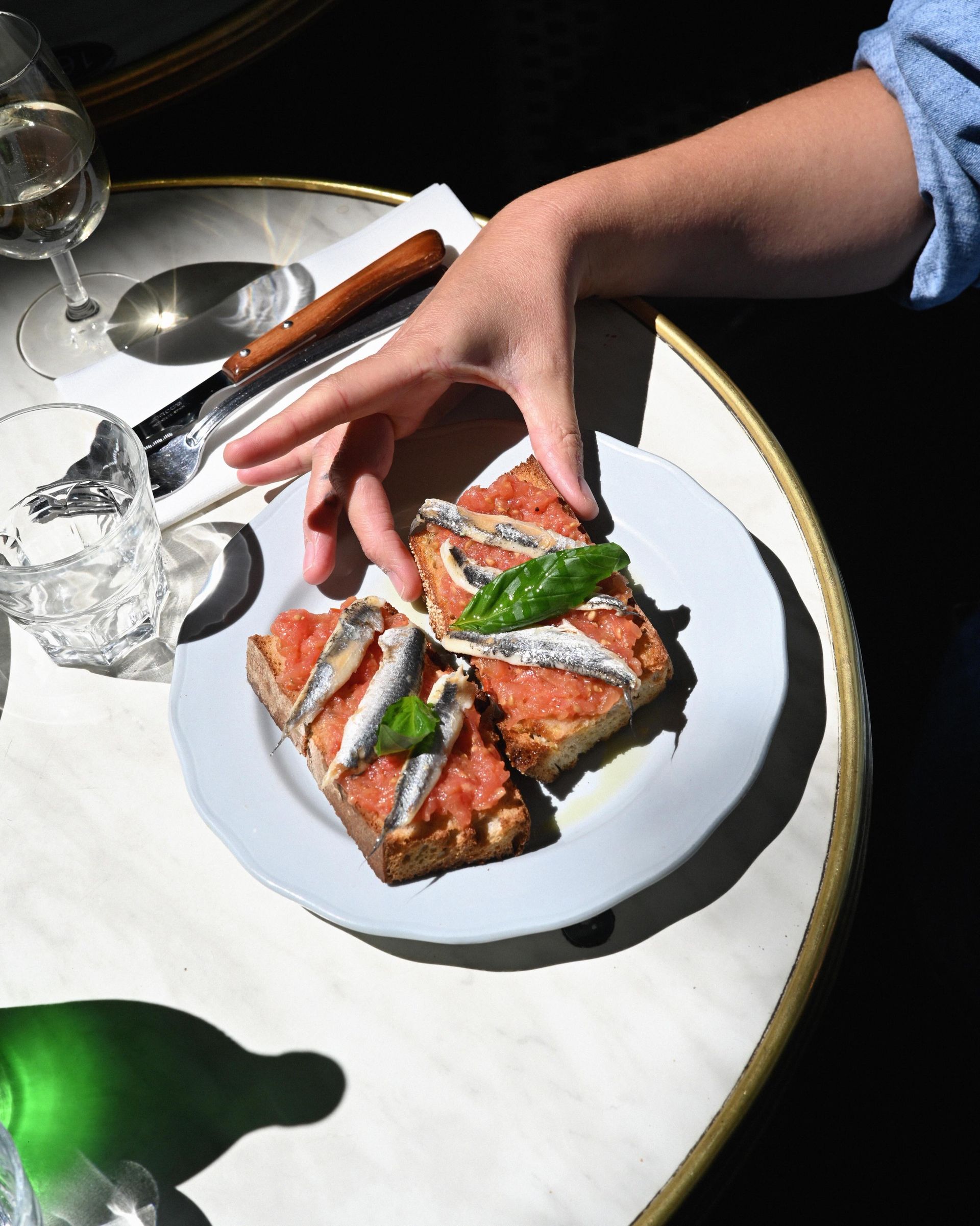
Café La Muse · Photo Time Out Marseille · The Cours Julien fountain · Getty Images, via Yahoo
What is the coolest neighbourhood in the world?
In September 2024, Time Out magazine ranked Notre-Dame-du-Mont, in Marseille, first on its list of the 38 coolest neighbourhoods in the world, ahead of Mers Sultan (Casablanca) and Pererenan (Bali).
Are Notre-Dame-du-Mont, Cours Julien and La Plaine the same neighbourhood?
Yes. Notre-Dame-du-Mont is the official name of the neighbourhood, shared with its church and metro station. Locals tend to say “le Cours Ju”, after its large esplanade, or “La Plaine”, the nickname of nearby Place Jean-Jaurès.
Where is Notre-Dame-du-Mont in Marseille?
In the 6th arrondissement (13006), on a hill a ten-minute walk from the Vieux-Port. Metro station: Notre-Dame-du-Mont – Cours Julien, on line 2.
What is there to do in Notre-Dame-du-Mont?
Wander among the street art of Cours Julien and Rue Pastoret, have a drink on a terrace, catch a gig at the Espace Julien or in the small venues of La Plaine, dig for second-hand records, books and clothes.
Sources: Time Out and Time Out Marseille’s neighbourhood guide, Made in Marseille.
Photos: Marseille Tourisme / Massimo Municchi and the Time Out Marseille team (via timeout.com), Islands.com, Getty Images (via Yahoo), Mike is Michi (CC BY-SA 4.0), DC (CC BY-SA 3.0), Jeanne Menjoulet (CC BY 2.0), Nattes à chat (CC BY-SA 4.0), LaloMassalia (CC0), via Wikimedia Commons.